
Private-Hire Licensing Guide UK
Understand the licences, checks and documents behind legitimate private-hire work in England.
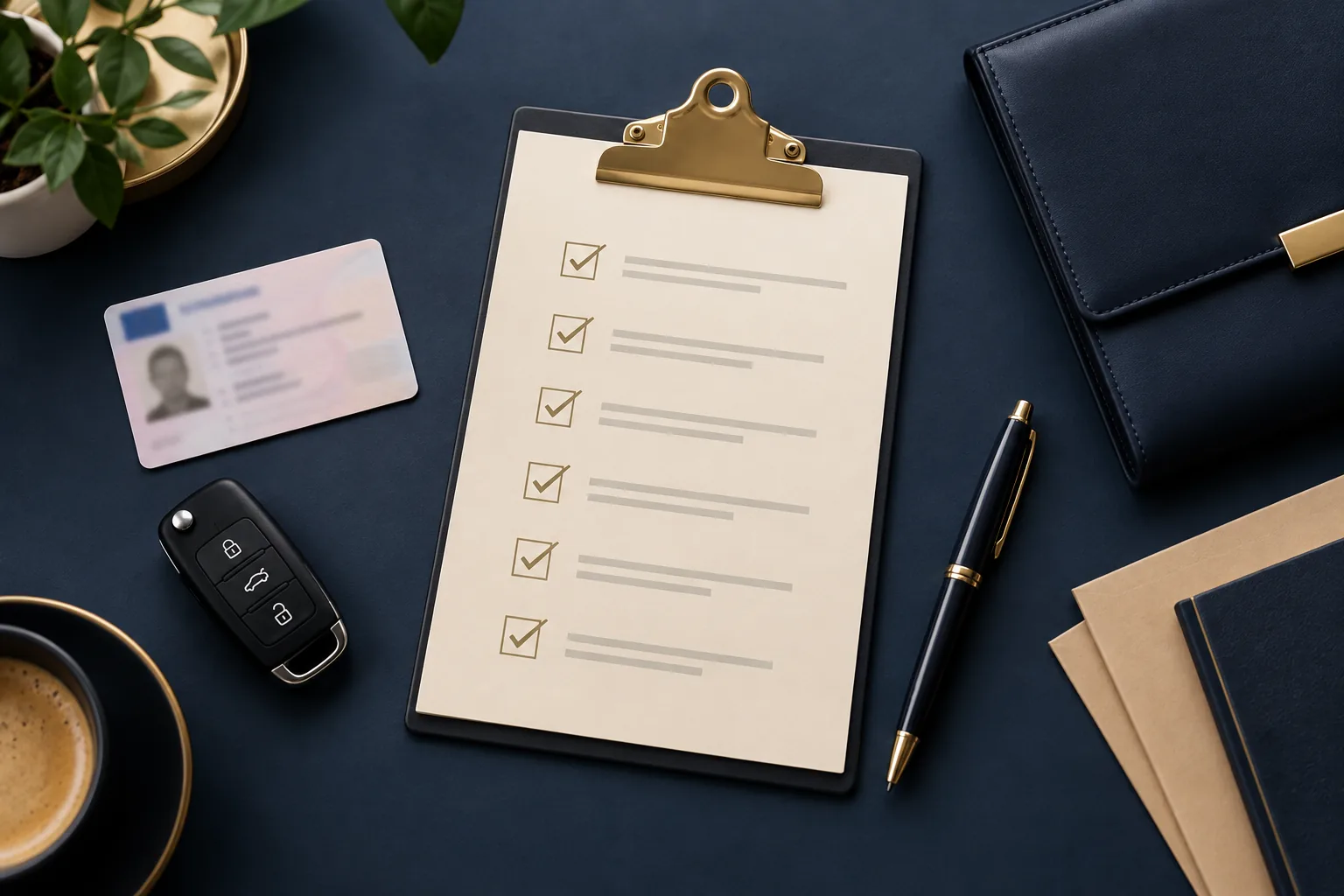
Know which permission covers what
Driver, vehicle and operator licences serve different purposes. Most private-hire work depends on all three parts working together.
Driver licence
This covers the person driving and commonly involves fitness, background and competency checks.
Vehicle licence
The car must satisfy the licensing authority’s age, condition, safety and identification rules.
Operator licence
Private-hire bookings must be accepted through a licensed operator rather than hailed in the street.
Understand the three-part licensing system
Private-hire licensing is not a single badge. Driver, vehicle and operator permissions cover different responsibilities. A licensed driver still needs access to a correctly licensed and insured vehicle, and bookings must pass through an appropriate operator.
Driver checks
Licensing authorities assess whether an applicant is fit and proper. Evidence may include identity, right to work, DVLA history, an enhanced DBS result and a medical assessment. Local training or tests can also apply.
Vehicle checks
The vehicle may need an MOT, council inspection, suitable insurance, registration documents and evidence of ownership or permission to use it. Age and emissions limits vary by authority.
Operator arrangements
A private-hire vehicle cannot normally pick up street hails. Journeys must be pre-booked through a licensed operator. App-based work still operates within this licensing structure.
Documents commonly requested
- Full DVLA driving licence and share code
- Passport or other identity evidence
- Right-to-work evidence where applicable
- Proof of address
- DBS information
- Medical assessment documentation
- Training or test certificates
- Tax check code for certain renewals
- Recent photograph meeting the council’s rules
The exact list depends on the application type and authority. Follow the council portal rather than sending extra documents that were not requested.
Common causes of application delay
Incomplete forms, inconsistent personal details, expired evidence and using the wrong type of insurance can slow an application. DBS or medical questions may also require further review.
Keep copies of submissions and confirmation emails. Record reference numbers and dates so you can follow up clearly if the stated processing period passes.
Tax checks for renewals
Some licence renewals require a tax check code. Use the official GOV.UK service and follow the council’s instructions. A tax check confirms that the required check was completed; it is not the same as receiving tax advice.
After the licence is granted
Read the licence conditions and diarise renewal dates. Tell the authority about relevant changes when required, including address, medical, criminal or driving matters.
Also monitor the vehicle’s MOT, inspection, insurance and plate dates. A driver licence does not override an expired vehicle document.
Useful next guides
Continue with our vehicle requirements guide and insurance guide. Then use the weekly profit calculator before committing to regular costs.
Private-hire licensing FAQs
Is a private-hire licence the same across the UK?
No. Licensing systems and local conditions differ. This page focuses mainly on England, so always use your own authority’s guidance.
What is the difference between a taxi and private-hire vehicle?
Private-hire journeys must be pre-booked through an operator. Hackney carriages can have different permissions, including rank or street-hail work where authorised.
Do I need a DBS check?
Licensing authorities commonly require an enhanced DBS check for driver applications. Follow the process specified by your council.
What is a taxi licence tax check code?
It is generated through the official GOV.UK tax-check service where the statutory requirement applies, often during certain renewal applications.
Can the council refuse an application?
Yes. Authorities consider suitability and compliance with their policy. Decisions and appeal routes depend on the circumstances and applicable law.
Keep the business side of driving under control
Real Key Accountancy helps sole traders organise income, expenses and bookkeeping records. Book a free 15-minute bookkeeping check to discuss support tailored to your driving records and business needs.
This page is a general guide, mainly for England. Licensing rules differ by authority and may change. Always follow the current instructions issued by the relevant council and GOV.UK.