
Private-Hire Vehicle Requirements UK
Check licensing, inspection, operator and cost requirements before buying, financing or renting a car.
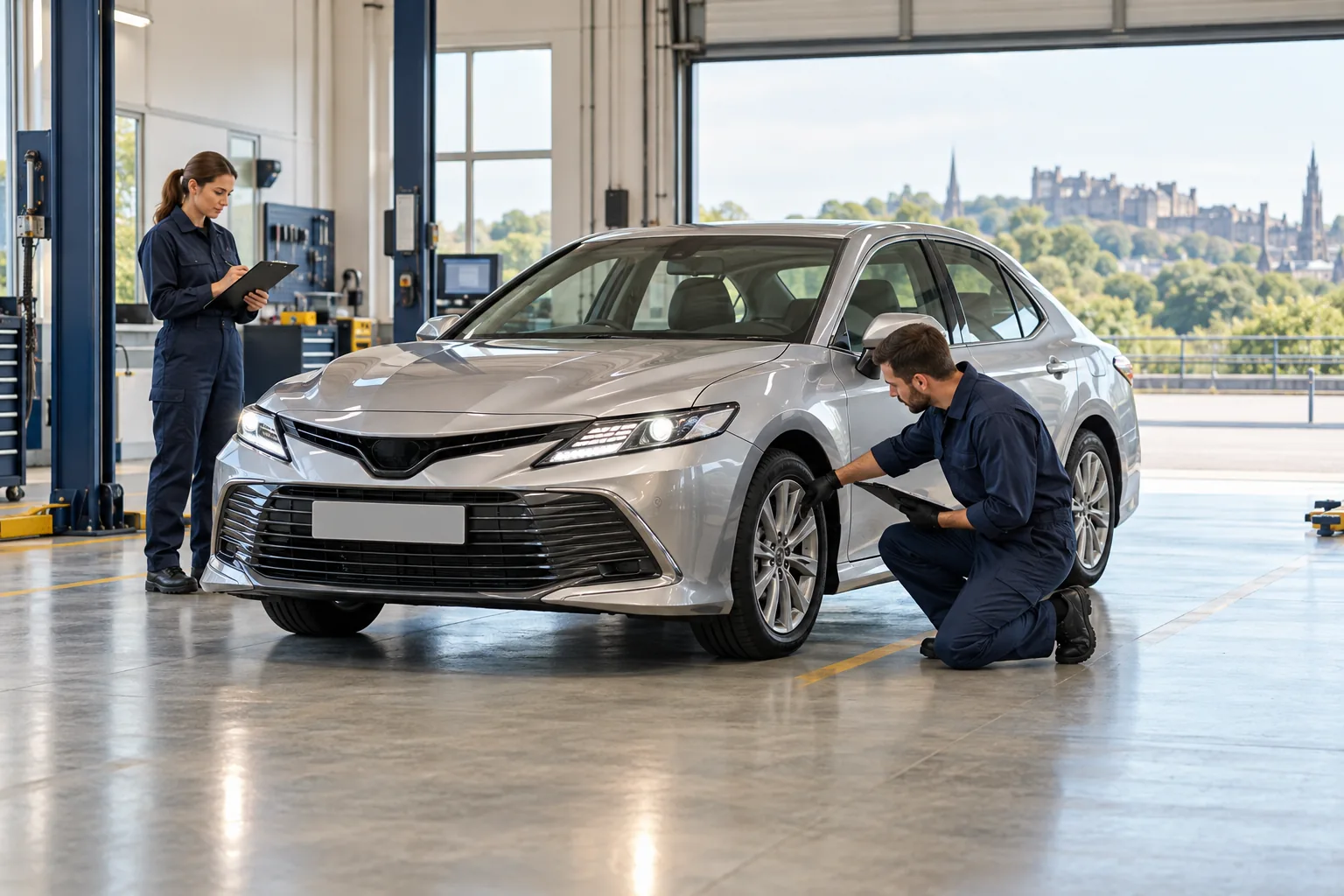
Four checks every driver should make
A vehicle must satisfy the licensing authority, insurer and operator—and still make commercial sense after every running cost.
Council eligibility
Confirm age, body style, emissions, seating and accessibility rules before acquiring the car.
Safety evidence
MOT status, council testing, tyres, lights, brakes and general condition must stay compliant.
Operator acceptance
Apps and operators can apply additional model, age, comfort and documentation standards.
Check the car before you commit
Private-hire vehicle requirements UK drivers face are set locally and can change. Never assume that a car qualifies because the same model works in another city or appears on an app.
Age and emissions
Councils may set maximum vehicle ages at first licensing and renewal. Clean-air policies can also affect acceptable emissions. Operators may use stricter limits than the licensing authority.
Seats, doors and body condition
Requirements can cover passenger capacity, door access, boot space, window tint, signage and exterior condition. Modified, damaged or category-recorded vehicles may receive extra scrutiny or be excluded.
Accessibility
Some licensing categories or fleets have wheelchair-accessibility rules. Confirm whether those requirements apply to the licence and work you intend to undertake.
Inspection and documentation checklist
- V5C registration document or permitted alternative
- Valid MOT where required
- Private-hire or hire-and-reward insurance evidence
- Council vehicle inspection
- Tyres with safe tread and no damage
- Working lights, belts, doors and windows
- Clean, undamaged passenger area
- Required plates, signs or identifiers
- Operator documentation where applicable
Do not overlook insurance eligibility
Give the insurer accurate details of the vehicle, drivers, operating area and intended work. Standard social, domestic and pleasure cover is not designed for carrying paying passengers.
Buying, financing or renting
Compare the total cost rather than the weekly headline. Include deposit, finance interest, rental fees, servicing, tyres, breakdown cover, excesses, cleaning and time off the road.
If the vehicle is financed or leased, confirm that private-hire use is permitted. Also check mileage limits and end-of-contract condition charges.
Electric and hybrid vehicles
Consider charging access, real-world range, tariff costs and time away from work. Local clean-air rules or operator incentives may help, but the numbers should still work without optimistic assumptions.
Calculate whether the vehicle works financially
A newer car may reduce maintenance and satisfy licensing rules for longer. However, it may increase finance and insurance costs. A cheaper vehicle can carry a higher repair risk or have a shorter licensing life.
Test the full weekly position with our Taxi and Uber Driver Weekly Profit Calculator. Then read our private-hire insurance guide.
Keep vehicle records organised
Retain invoices for servicing, repairs, tyres, cleaning, rental, finance and inspections. Clear records help you understand the car’s true operating cost and prepare reliable bookkeeping information.
Private-hire vehicle FAQs
What cars can be used for private hire in the UK?
Eligibility depends on the licensing authority and operator. Check the exact model, age, emissions, condition and seating rules before acquiring a vehicle.
Does an MOT mean the car will pass a council inspection?
No. A council may apply additional standards and testing. Both requirements may need to be satisfied.
Can I use a financed or leased car?
Possibly, but the agreement must permit private-hire use and the car must meet council, insurer and operator requirements.
Are electric cars required?
Rules differ by area and can change. Some locations apply emissions standards or incentives without requiring every current driver to use a fully electric car.
Should I rent before buying?
Renting can reduce the initial commitment but may cost more over time. Compare all fees, mileage limits, maintenance responsibilities and downtime terms.
Keep the business side of driving under control
Real Key Accountancy helps sole traders organise income, expenses and bookkeeping records. Book a free 15-minute bookkeeping check to discuss support tailored to your driving income, expenses and records.
Vehicle and emissions rules vary by licensing authority and operator. Verify the exact car and intended use before purchase, rental or finance commitment.